Rising Stuttgart rents: the case for considering a purchase
A historical article comparing rising rental costs with an illustrative home-purchase budget in Stuttgart.
This historical article compares rising rents in Stuttgart with the costs and practical considerations of buying a home, using the examples available at publication.
Rising rents in Stuttgart: should tenants consider buying?
A German property-industry headline read “Wohnungsmarkt kränkelt weiter” — the housing market remains unwell. At first, I thought this meant prices were about to fall. Reading further, however, the picture was different: rents were still rising in most cities, and property prices in major cities were beginning to rise again.
In plain terms, housing construction and approvals were stagnating, more buyers and investors were returning, and tenants were feeling the pressure.
The rental situation described in the article
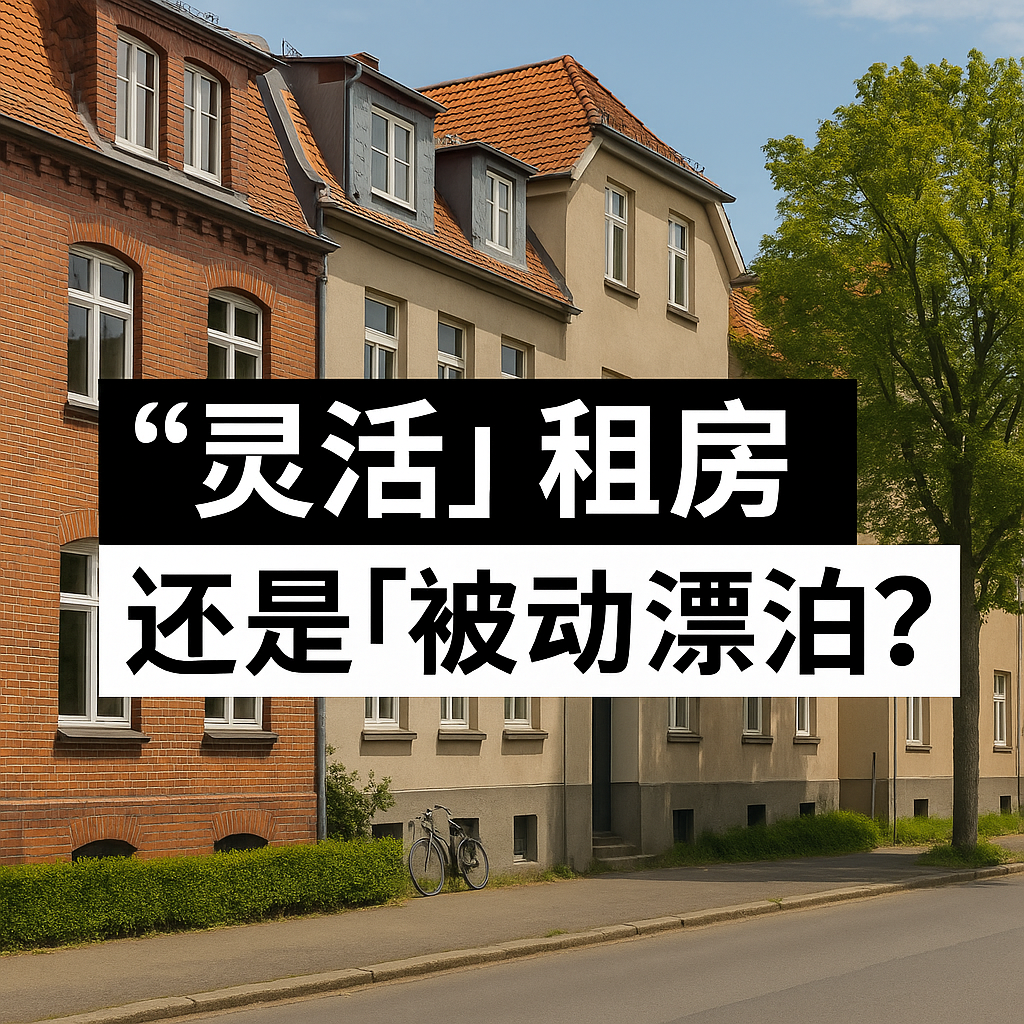
The article gave an example of a 60 m², two-room apartment in Stuttgart with a monthly rent of €1290 excluding heating and other running costs. It described the apparent flexibility of renting as often favouring the landlord, who may decide to raise the rent or sell, leaving tenants facing another move.
It referred to an annual rent increase of 5% and a shortage of properties so severe that even securing a viewing was difficult. Tenants might not want to move but could be forced to look elsewhere if the rent became unaffordable.
The article’s illustrative comparison of renting and buying:
- Monthly spending: approximately €1300 for renting, compared with a total of approximately €1350 for the mortgage payment and ancillary costs when buying — a small difference in this example.
- Building assets: the article contrasted paying rent without acquiring ownership with mortgage repayments gradually building an asset that the buyer would eventually own.
- Control: it contrasted the landlord’s decisions about rent, sale and renovation with an owner’s greater control over their living arrangements and use of the property.
- Stability: the article contrasted the risk of rent increases and repeated moves with a mortgage that may have a fixed interest rate, such as a 20-year fixed-rate period, making costs more predictable.
Steps suggested at the time of publication
The original article argued that hesitation, rather than affordability alone, could hold some prospective buyers back. It described prices as recovering, rents as likely to continue rising and available housing as becoming scarcer.
It suggested the following steps:
- Speak to a reliable mortgage adviser to understand how much you could borrow.
- Arrange in-person viewings rather than only browsing listings.
- If buying a home for personal use is too expensive, consider an investment property first, with rental income and a possible later move to another property.
Its conclusion was that renting can appear flexible while still leaving tenants reacting to a landlord’s decisions. It encouraged readers to explore purchasing opportunities and plan for stability.
The article also pointed readers to the calculator: enter a purchase price, deposit percentage and loan term to estimate monthly repayments and plan a budget.