
Mould in a rented home: cause, responsibility and prevention
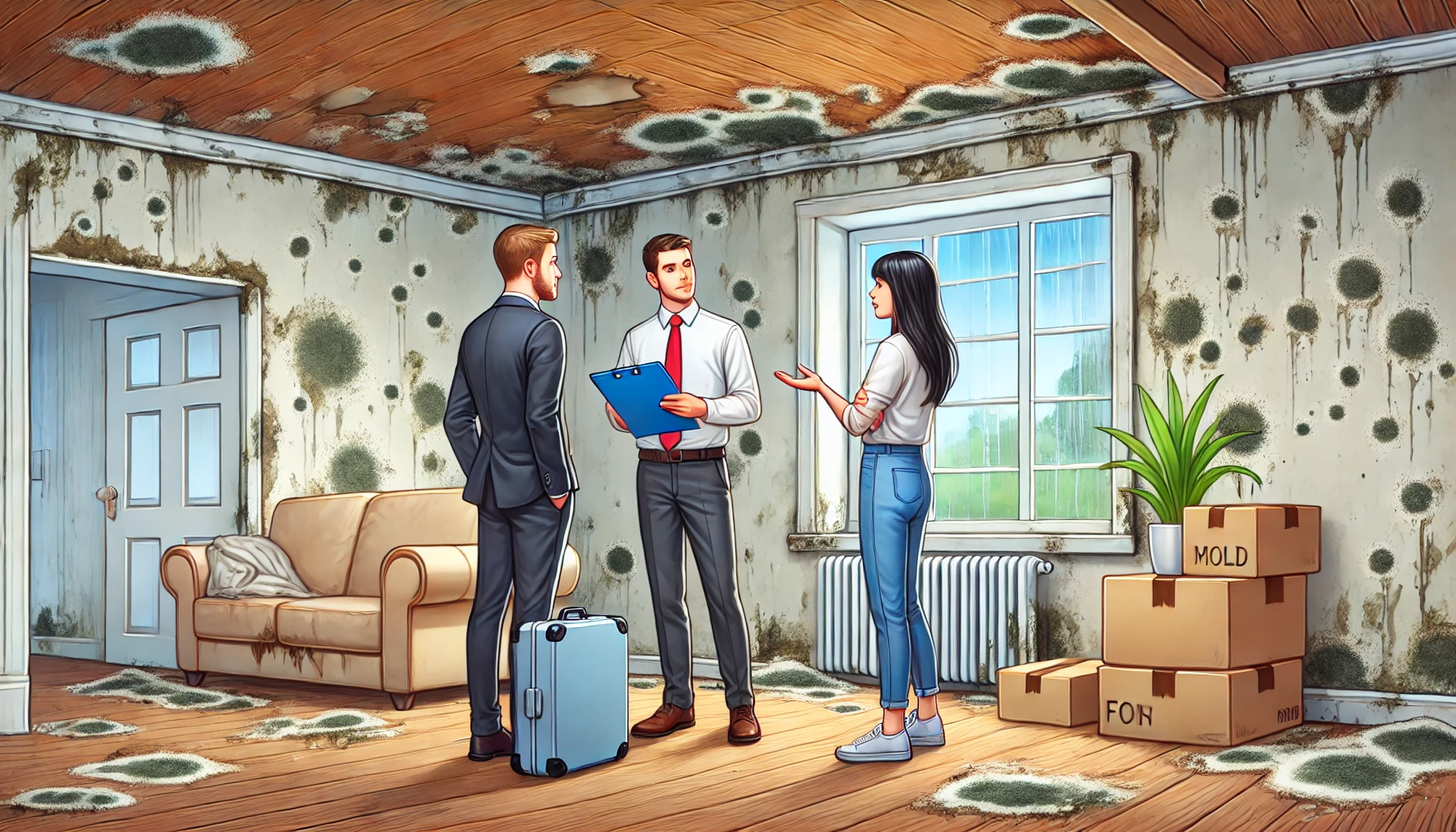
The original January 2025 discussion of mould, expert assessment, prevention and removal, with important qualifications.
Mould can have several causes, including building conditions and moisture generated in use. This review preserves the January 2025 article’s practical topics while distinguishing a cause assessment from an automatic legal or cost conclusion.
Establishing the cause and responsibility
The original recommended establishing whether mould arose from a building defect or from ventilation and heating behaviour, using expert assessment where necessary. It said landlords should remedy building-related mould, while proven tenant-caused damage could affect responsibility and rent-reduction rights.
Those consequences cannot be determined from the presence of mould alone. The cause, evidence and applicable duties must be established; absence of one structural defect does not by itself prove tenant fault. Tenants should report defects promptly under section 536c BGB. The original also emphasised checking building condition before letting.
Expert costs and communication
The article said the person commissioning an expert generally pays initially and suggested allocating the eventual cost according to responsibility. Its simple rule that the tenant pays whenever no structural problem is found is too broad: responsibility for mould and recovery of a privately commissioned report’s cost require their own assessment.
It encouraged constructive communication and mentioned a home that had no mould during owner-occupation but developed it after letting. That history may be relevant information, but does not establish tenant fault or a duty to pay. An agreed practical solution should not replace investigating the moisture cause.
The prevention measures discussed
- Ventilate thoroughly for short periods rather than relying only on a tilted window. The original advised at least twice daily throughout the year; actual needs depend on occupancy, moisture and building conditions.
- Monitor humidity with a hygrometer. The original suggested 40%–60% as a reference range and a dehumidifier where needed; this does not guarantee that cold surfaces remain mould-free.
- Heat appropriately and avoid excessively cold rooms.
- Check behind furniture and leave suitable space between large items and walls so hidden mould is not overlooked.
Removal and the limits of self-treatment
The original suggested following the instructions for suitable cleaning products for small areas and using professionals for areas above 0.5 m² or deeper moisture problems.
The Federal Environment Agency’s guidance qualifies self-removal to small, superficial contamination, for example below 0.5 m², with appropriate precautions. People with mould allergies, chronic respiratory conditions or weakened immune systems should not undertake it themselves. Larger or uncertain cases need expert help, and the moisture cause must be identified and remedied.